When Spanish took centre stage: reflecting on In Other Words
What happens when we create a literary space where English is not automatically the primary language?
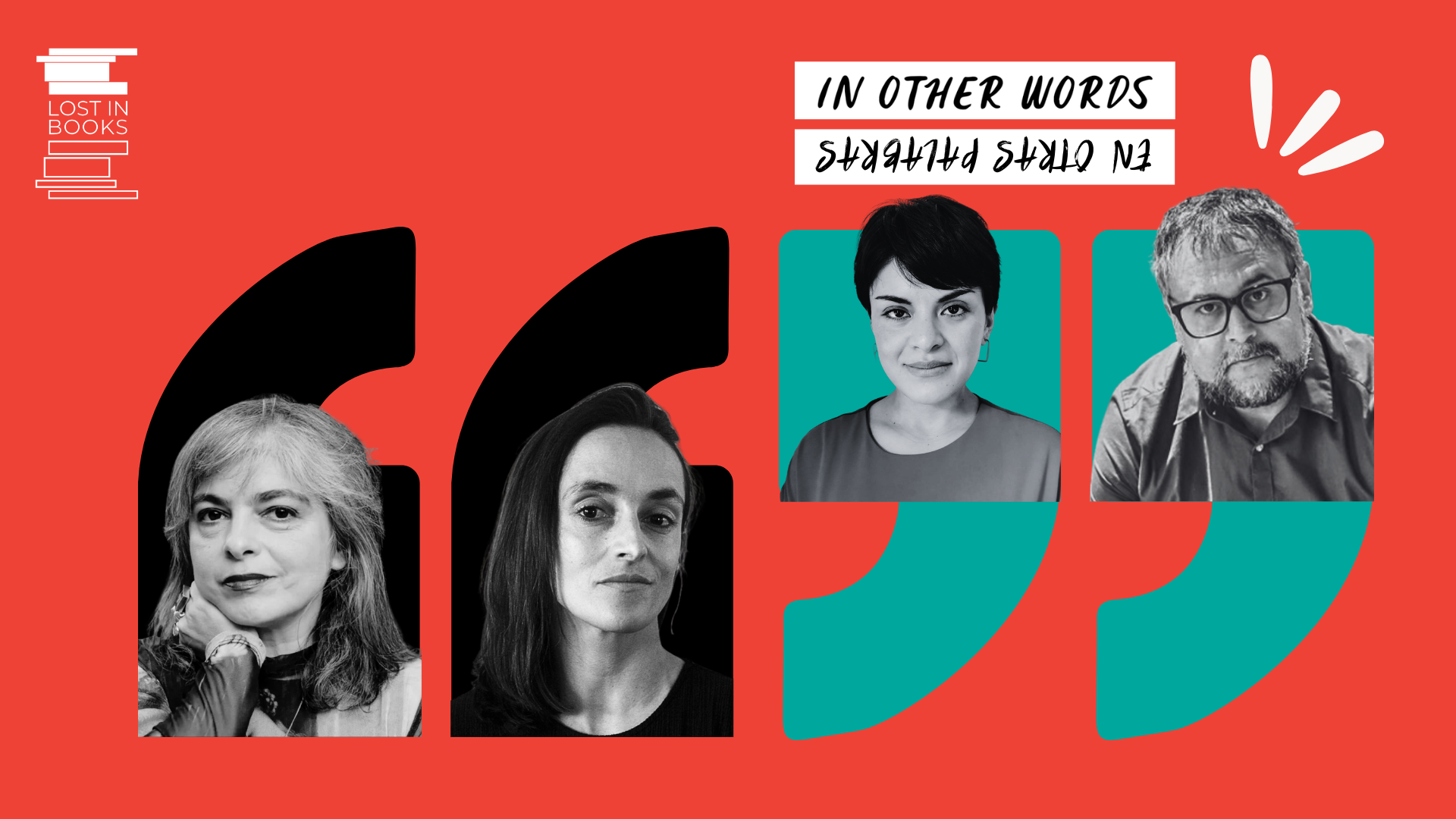
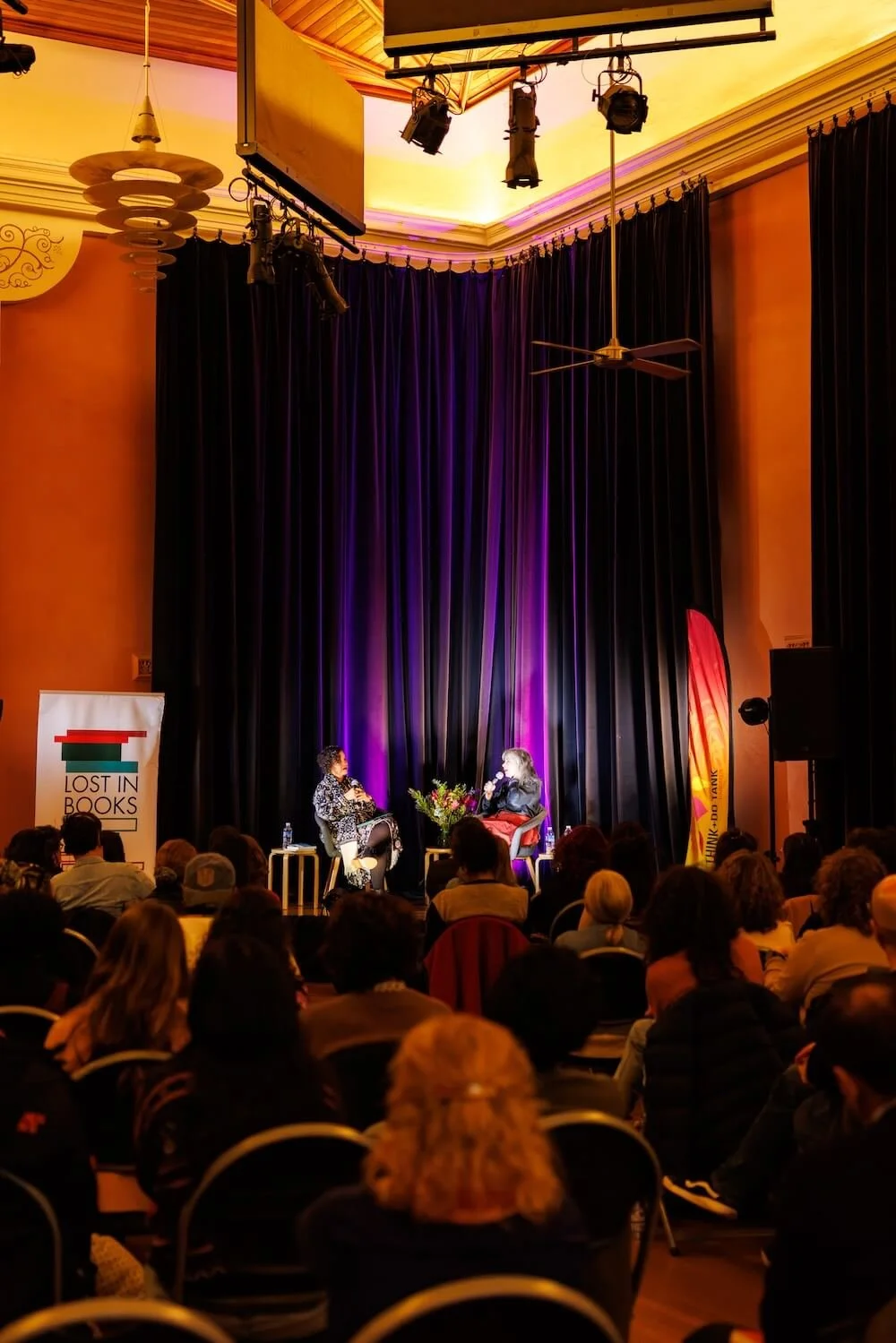
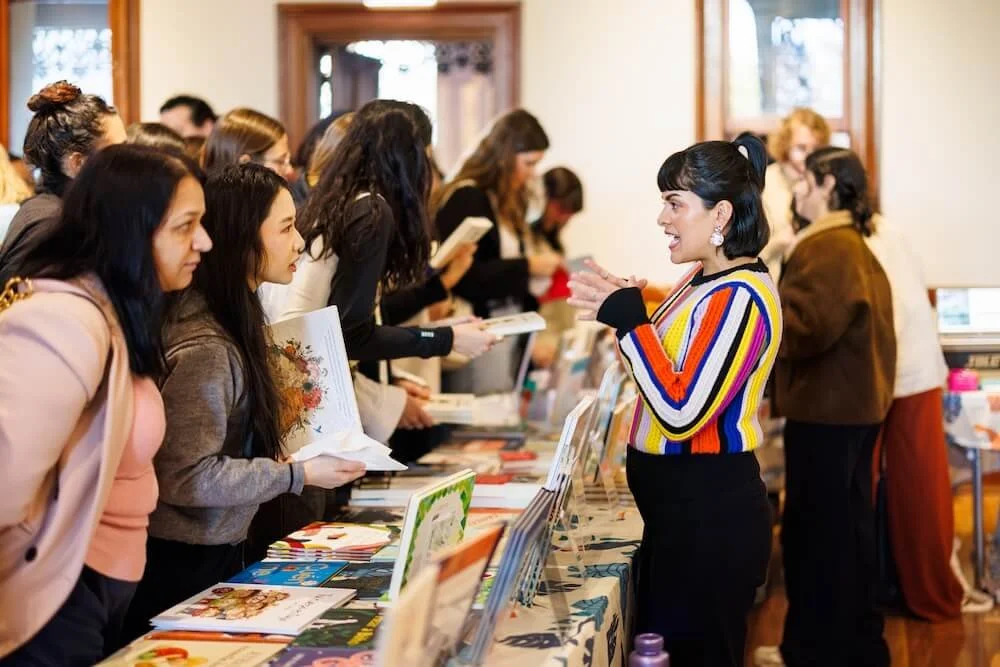
On Saturday 25 July, 120 people gathered at Glebe Town Hall for In Other Words: Spanish in Focus / En otras palabras: el español en primer plano, a new multilingual literary festival presented by Lost In Books. For this afternoon, Spanish was the language of the room.
Writers, readers, translators and community came together for conversations about literature, language, migration, displacement, translation and belonging - experienced in Spanish, with simultaneous interpretation into English.
And what emerged was something that felt quite different from simply making an event available in another language.
Writers, language and the spaces between
At the heart of In Other Words were four writers whose work crosses languages, countries and literary traditions.
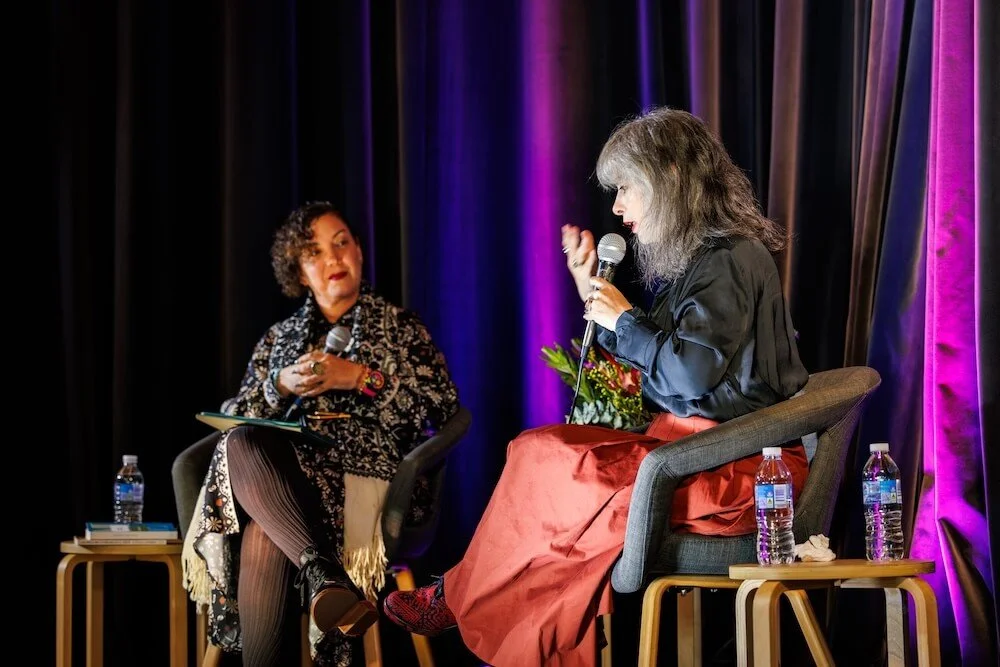
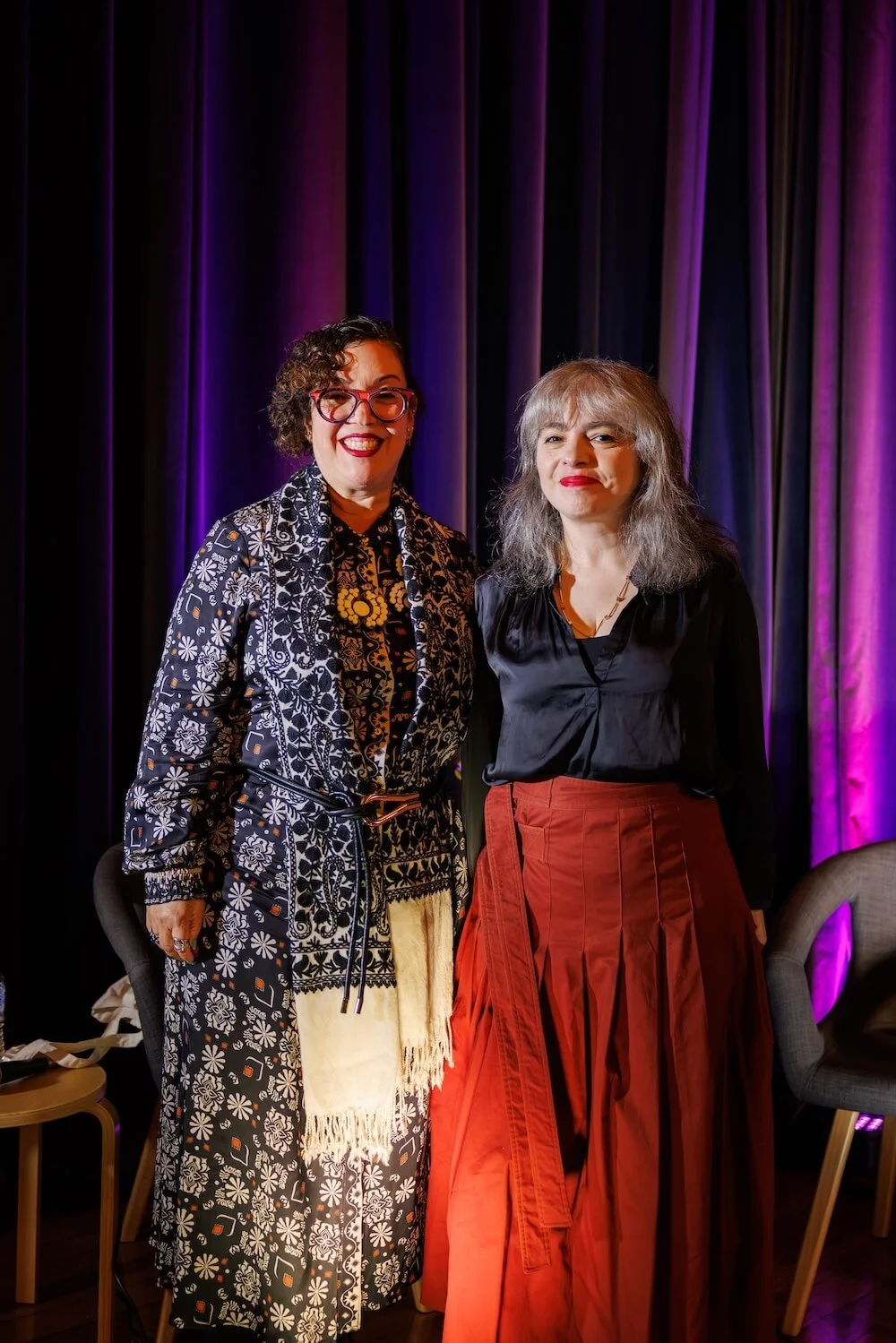
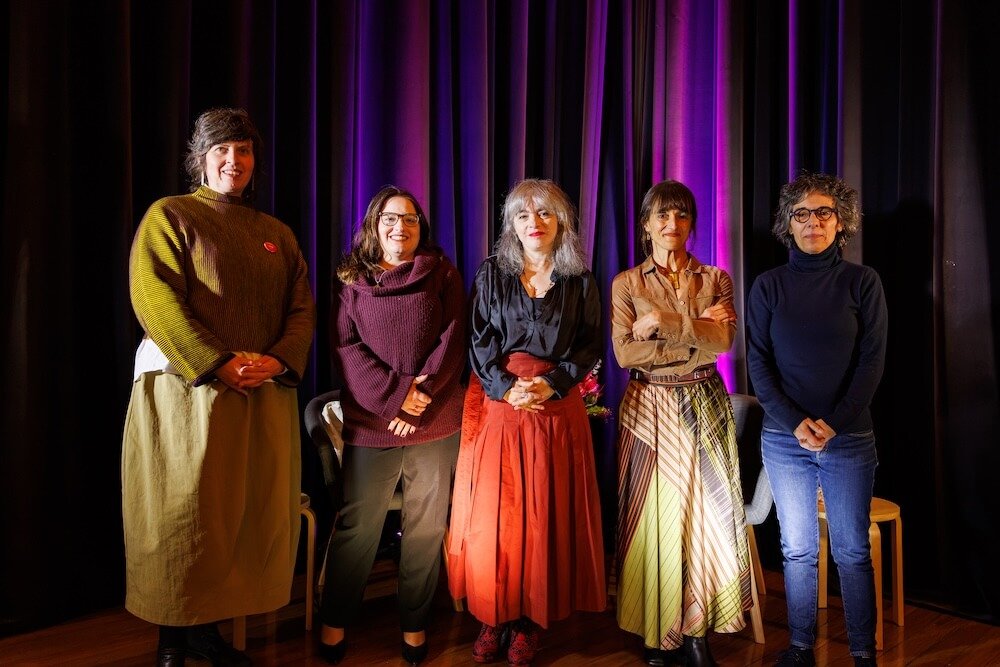
Internationally acclaimed Argentine writer Mariana Enriquez joined Fabricio Tocco, Elizabeth Mora and Rosario Lázaro Igoa for an afternoon exploring what it means to write in Spanish within Australia's predominantly English-language literary landscape.
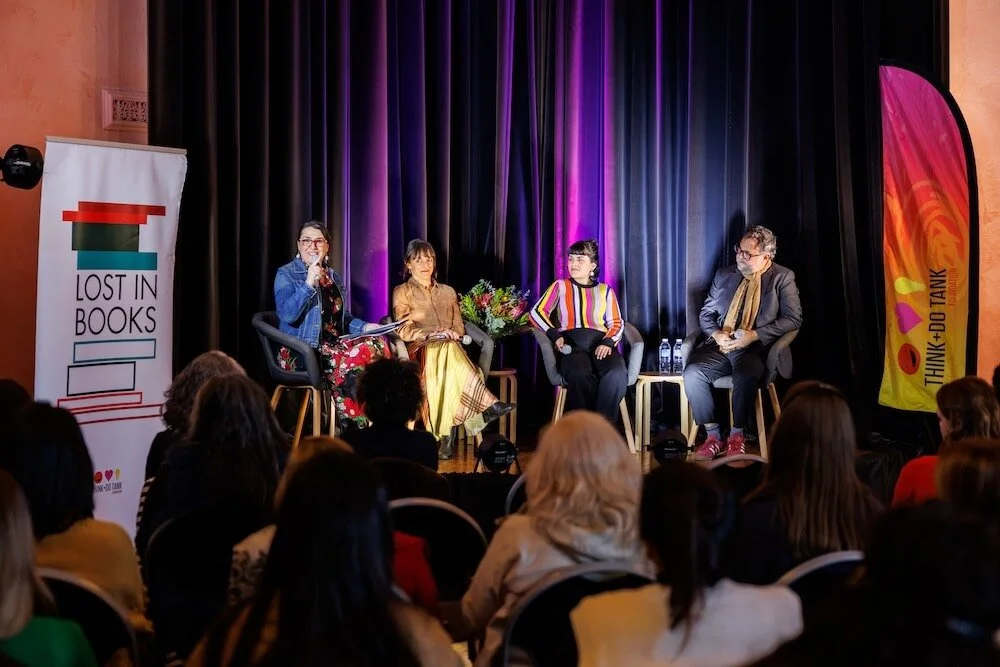
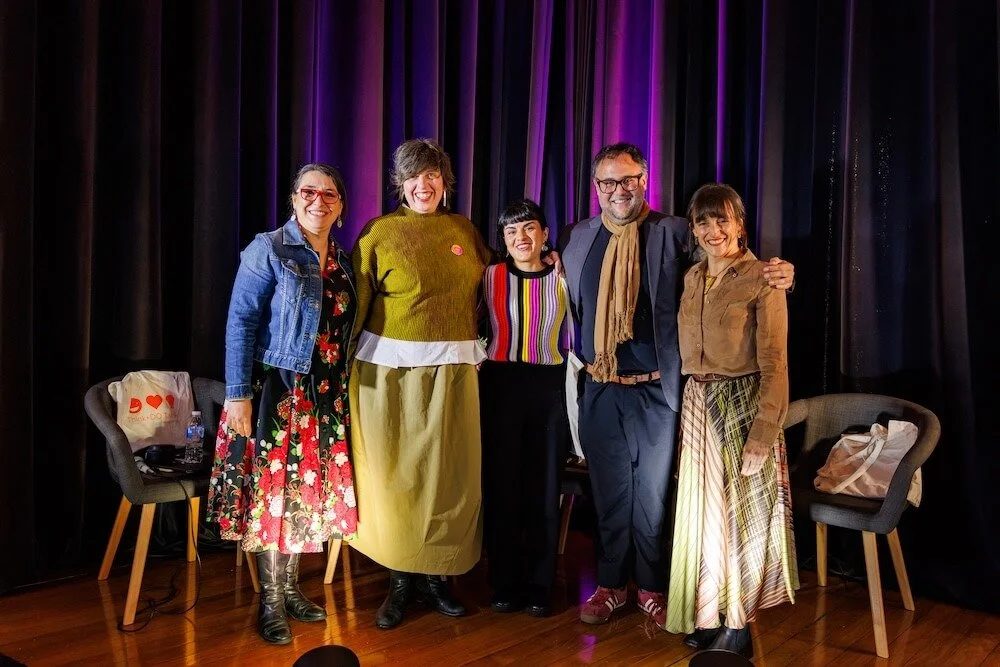
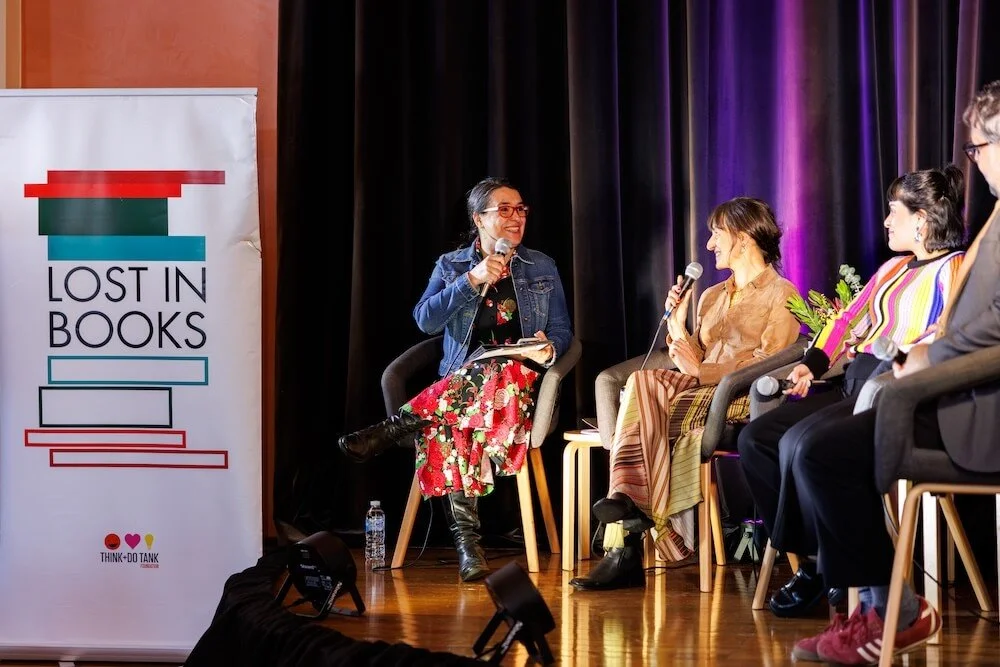
Fabricio, Elizabeth and Rosario began the afternoon in conversation with journalist Esther Lozano of SBS Espanol, bringing together perspectives shaped by Argentina, Ecuador, Uruguay and Australia.
Their work and experiences opened up questions that sit at the heart of In Other Words: What happens to language through migration? Where do writers locate themselves when their lives move between countries and cultures? What is gained — or changed — through translation? And what does it mean to continue creating in a language that isn't dominant in the country you call home?
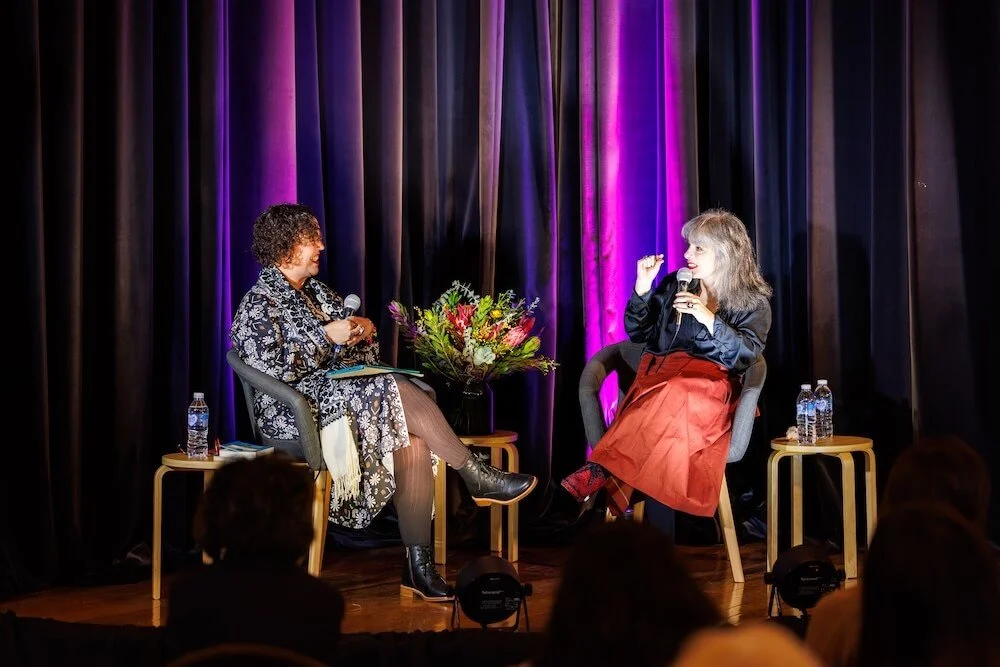
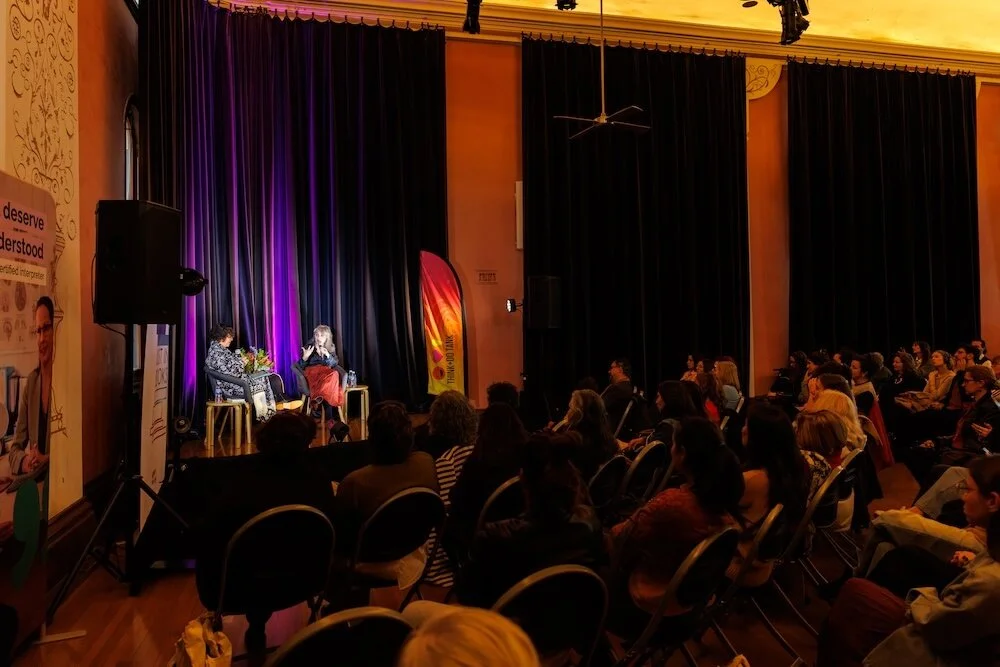
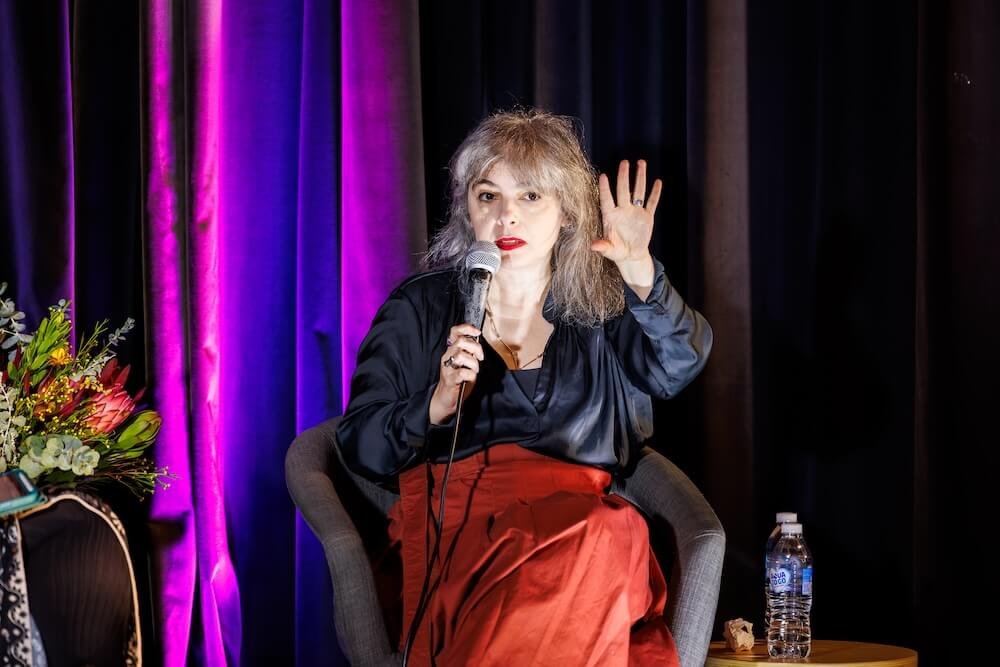
Later, Mariana Enriquez joined María Herminia Graterol in conversation, bringing her distinctive perspective on literature, horror, politics, memory and contemporary society to the room. Enriquez's work has been translated into more than twenty languages, making the questions of language, translation and how stories travel particularly resonant.
Across both conversations there was humour, challenge, generosity and a willingness to explore ideas without needing to neatly resolve them.
The people who held the conversations
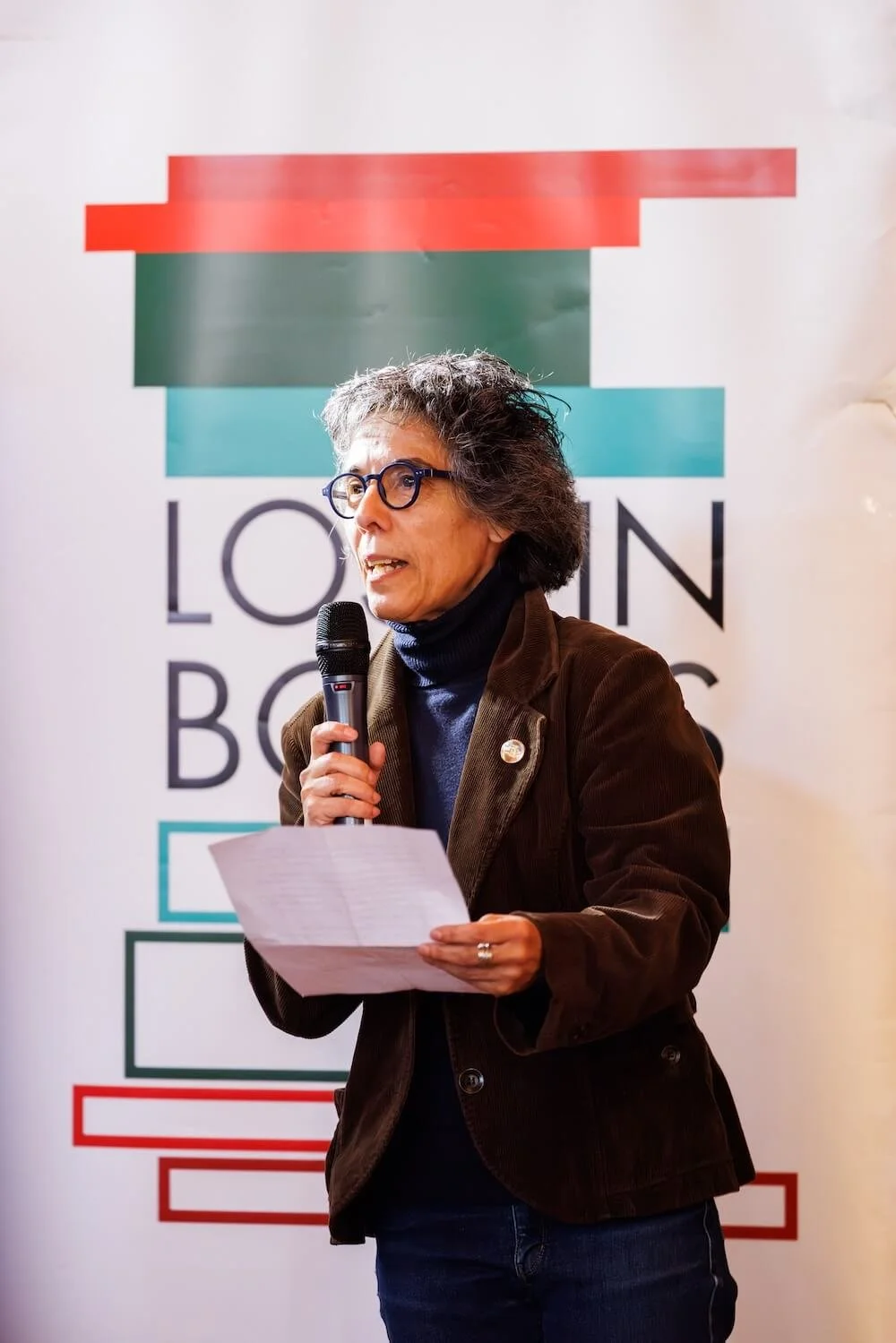
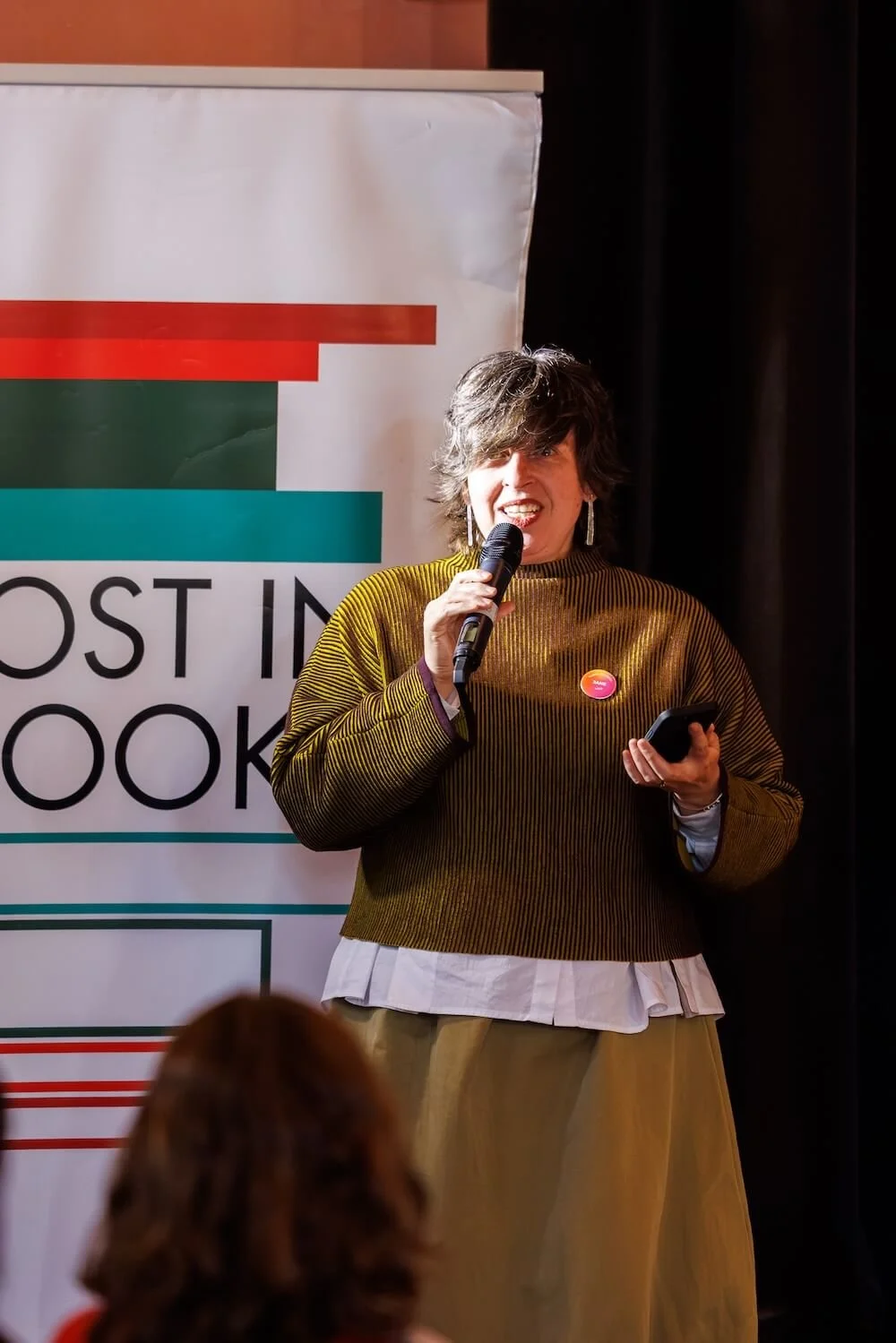
The experience would not have been possible without our facilitators, Esther Lozano and María Herminia Graterol.
Facilitation can sometimes disappear behind the people on stage, but the ability to create a conversation that feels curious, generous and alive is a craft in itself.
Esther and María created space for our writers to move between literature and lived experience, and for the conversations to develop organically rather than simply moving through a series of questions.
That openness extended into the room.
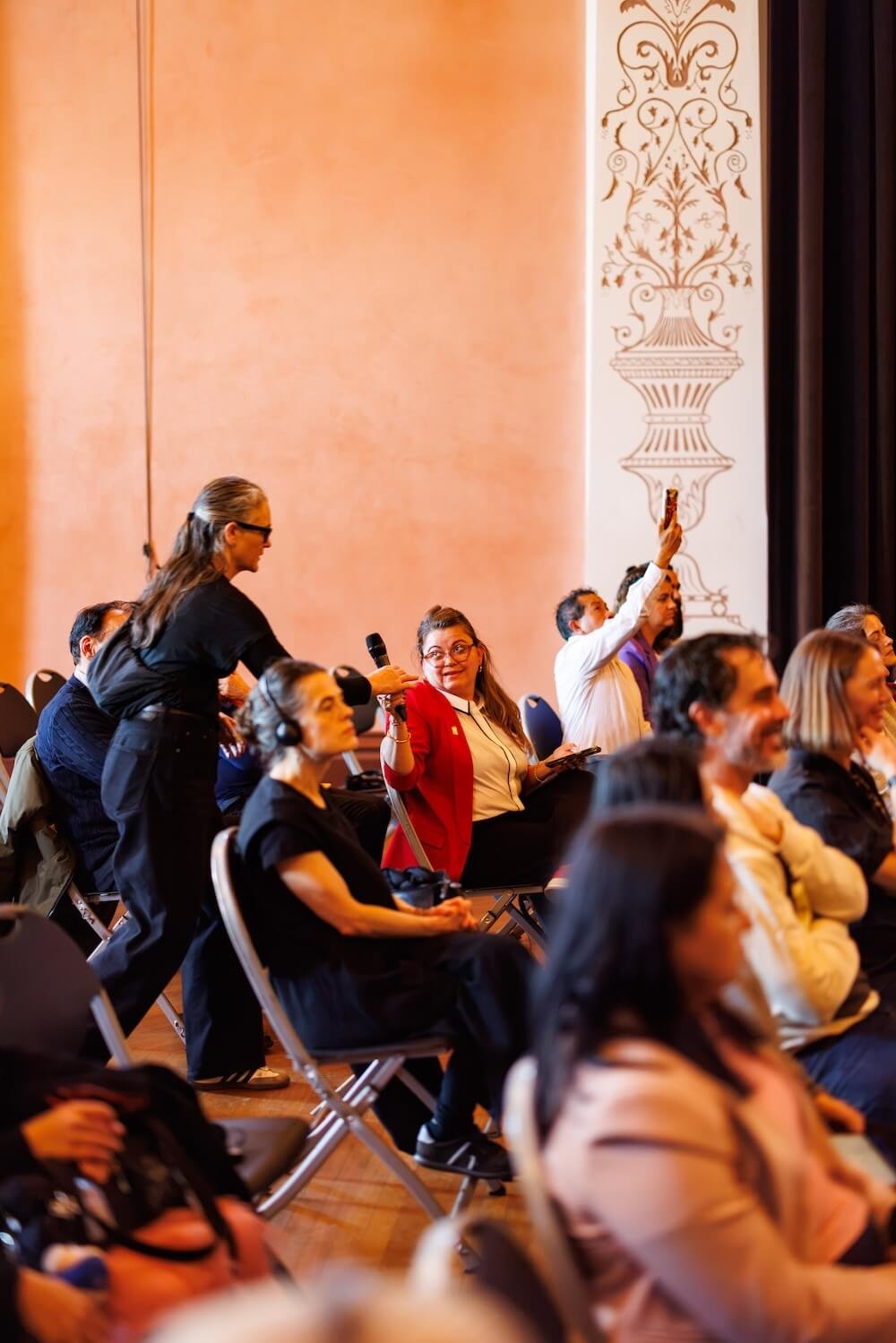
Audience participation was wonderful and uncurated, raw, engaged and generous. People didn't simply attend and listen. They questioned, responded, laughed, challenged and brought their own experiences into the conversation.
That exchange between stage and audience became an important part of what In Other Words was.
Interpretation as part of the experience
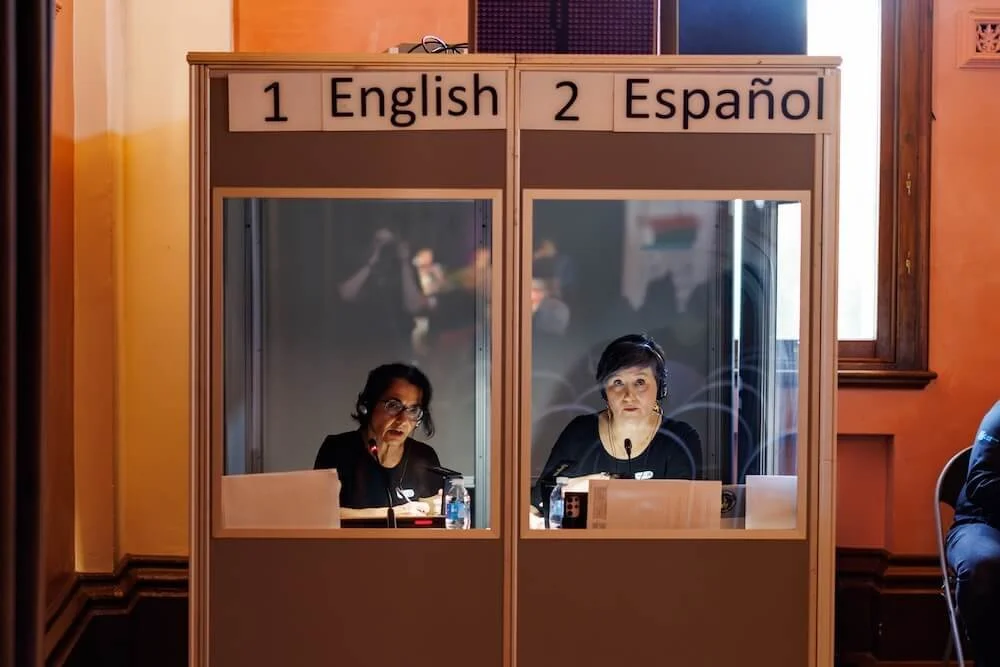
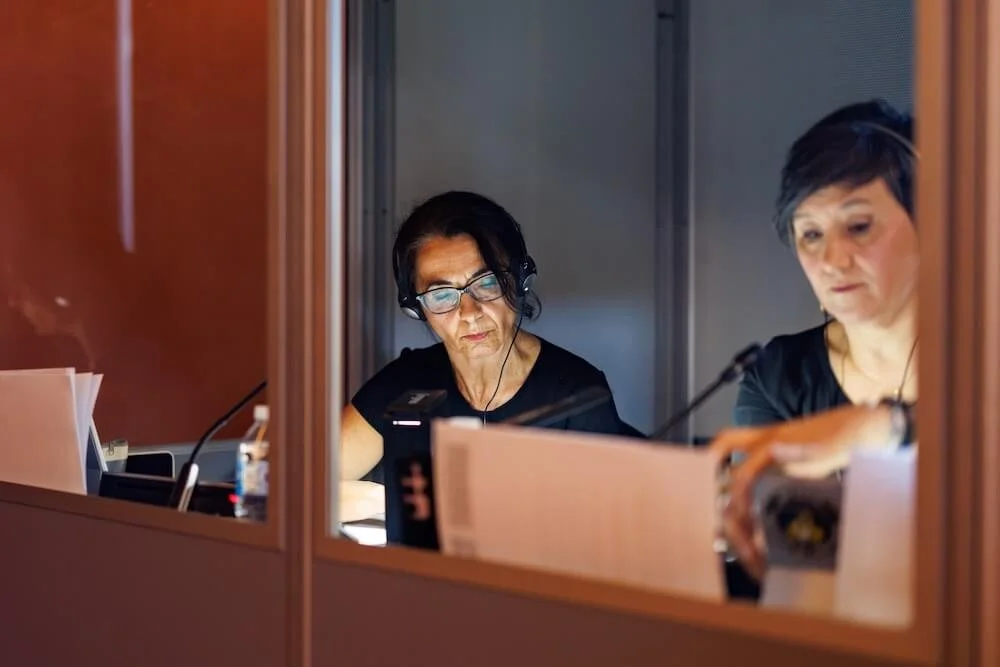
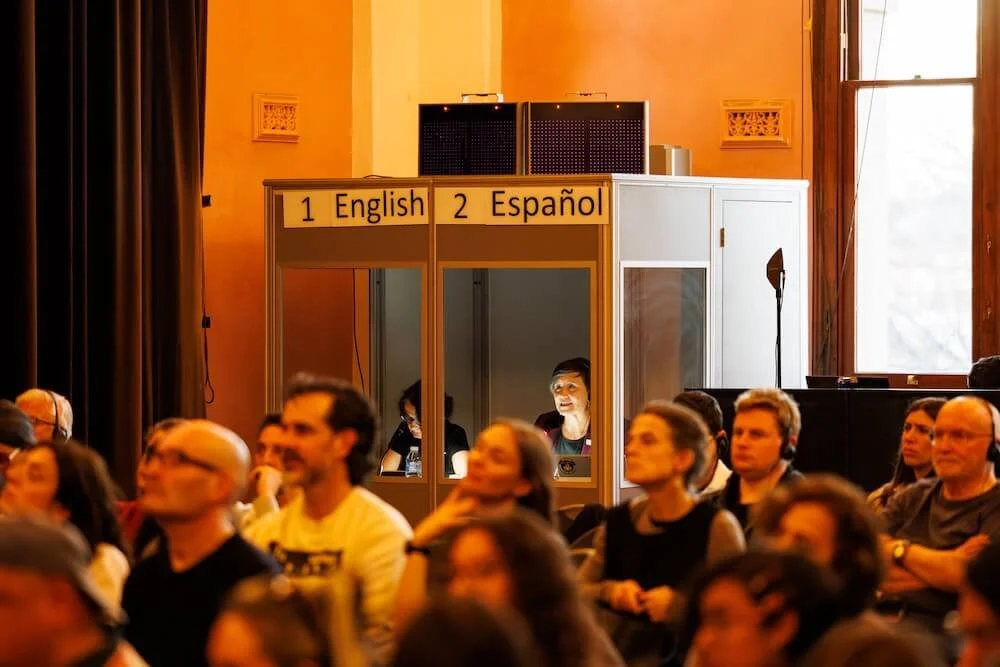
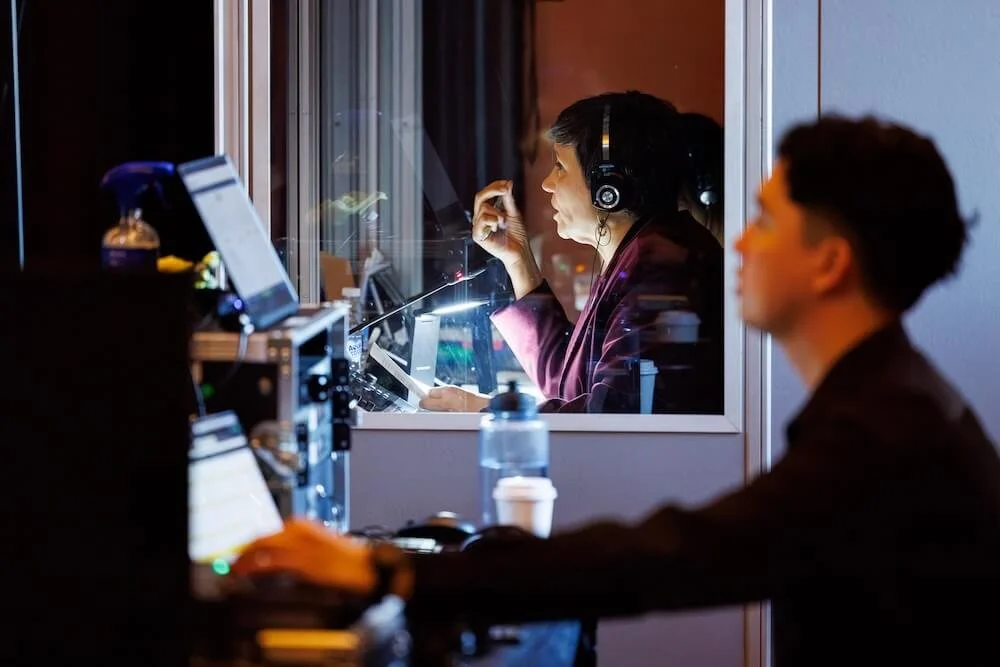
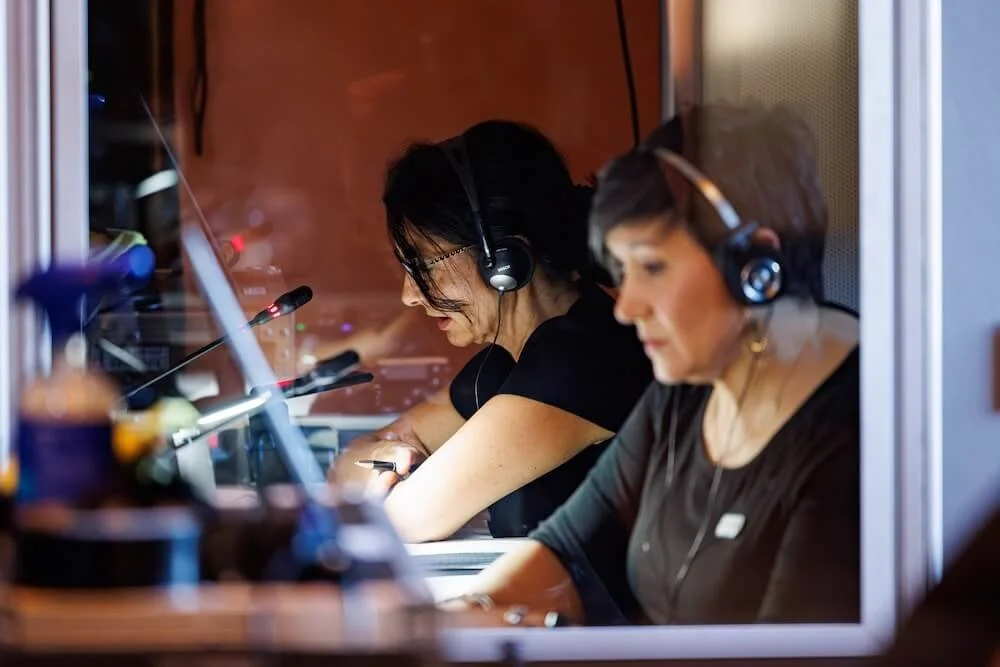
And then there were our extraordinary interpreters, Silvia Martínez and Cintia Lee.
Silvia is a NAATI-Certified Conference Interpreter, Certified Specialist Legal Interpreter and Certified Translator. Cintia is a NAATI Certified Interpreter and Translator with extensive experience across conferences, courts and community settings.
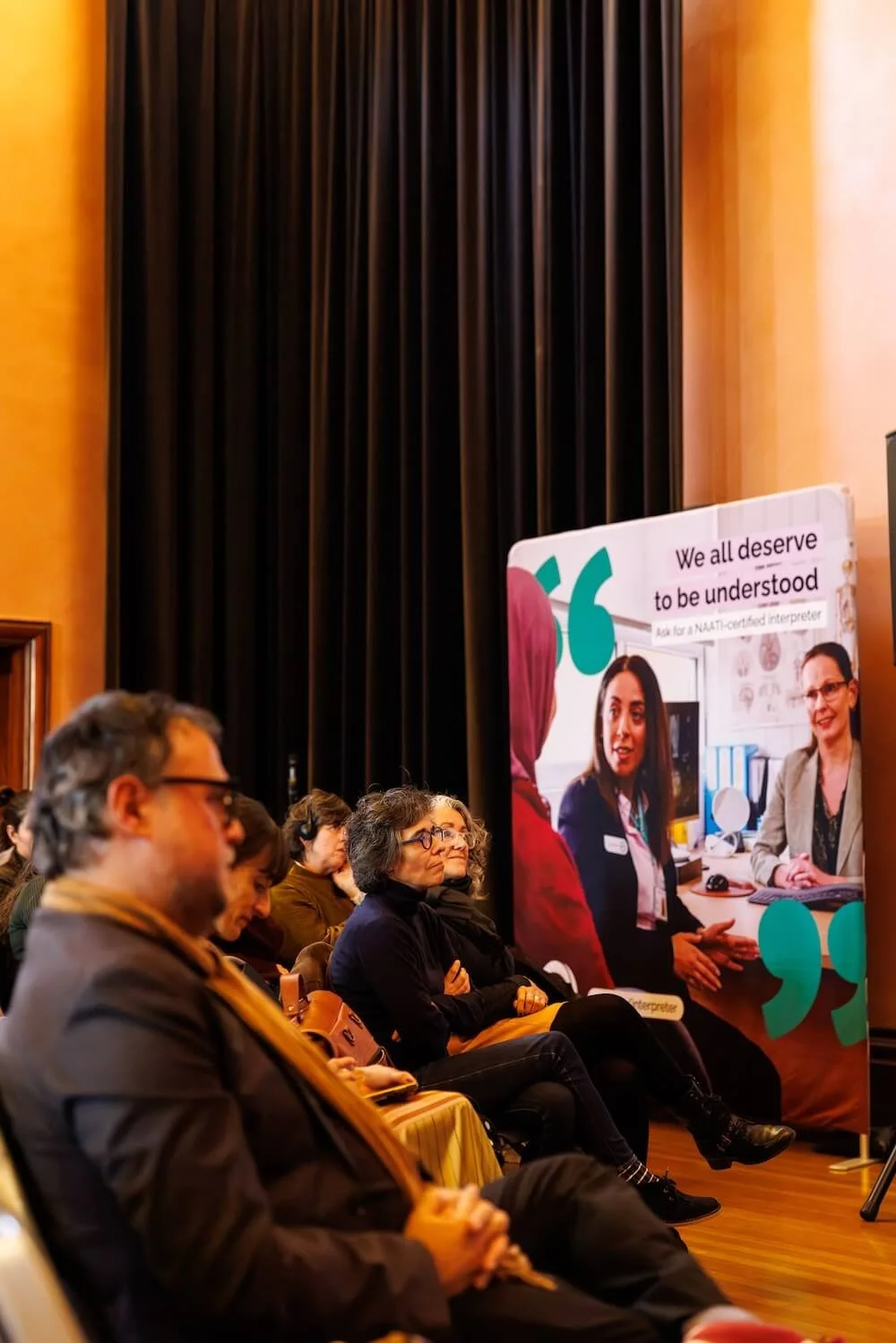
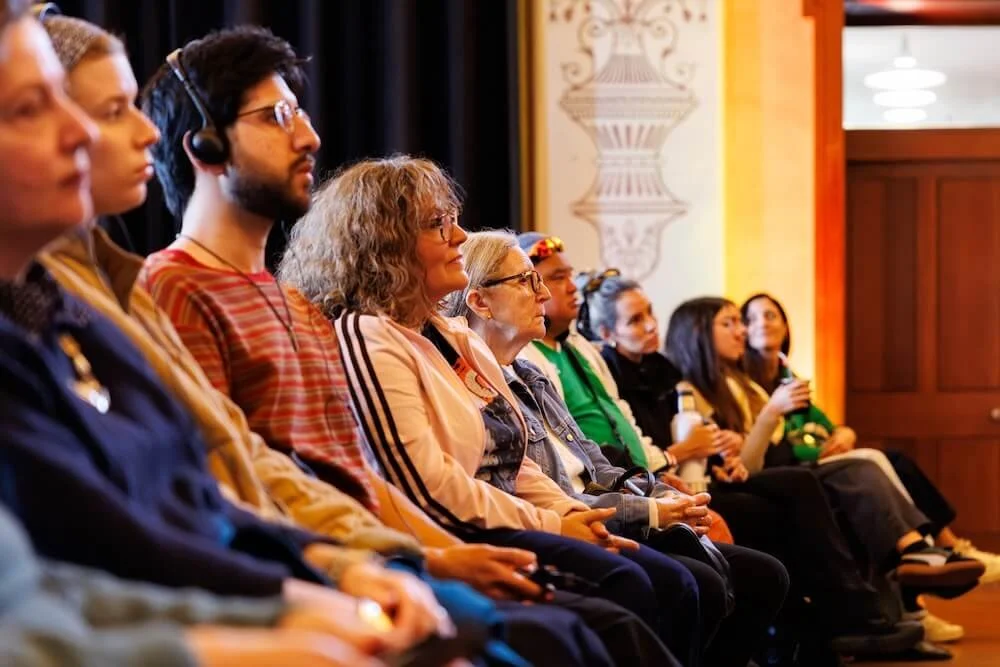
For In Other Words, their work it was fundamental to the experience we were trying to create. Sitting in the audience with a headset made that incredibly tangible.
You could hear the cadence and emotion of the Spanish speaker in the room while receiving the meaning through English almost simultaneously. Rather than removing you from the original language, interpretation brought you closer to it.
For those of us experiencing simultaneous interpretation in this way for the first time, it offered another way of thinking about what accessibility across languages can actually feel like.
Not simply understanding. Participating.
“Honestly, I’m incredibly grateful to have been part of such an amazing literary event In Other Words: Spanish in Focus. Being surrounded by people who read, write, and truly appreciate literature was such a special experience. Watching the book sales and seeing everyone excitedly rushing to discover and buy books was inspiring. In a time when so much reading happens through technology and digital media, it’s a rare and beautiful sight.
I’m especially grateful to Lost in Books for bringing books and literature closer to readers, writers, and thinkers, and for creating a space where stories and ideas can be shared and celebrated.
Being able to listen to and explore the works of Spanish writers was a unique opportunity made possible through simultaneous interpretation. It made these conversations and stories accessible to a wider audience and was one of the highlights of the event. It was a powerful event that highlighted Australian multilingualism and made language and literatures more accessible.”
“Listening differently For me personally, it was an absolutely beautiful event. In the moments where I was able to sit and listen, I found the experience of simultaneous interpretation quite extraordinary. I could listen to a speaker or panellist in Spanish and, in real time, experience the flavour, grit, humour, passion and expression of what they were saying through the interpretation. It was new to me, and wonderful.
More than anything, it was the feeling of the experience that stayed with me. I felt included. I felt part of the conversation and immersed in it in a way that felt very different from more conventional forms of interpretation. There was something wonderful about hearing Spanish filling the room while simultaneously understanding and participating in what was unfolding. It wasn’t about replacing one language with another. Both were able to exist together. How wonderful. How inclusive. And, actually, how fabulous!”
More than an audience
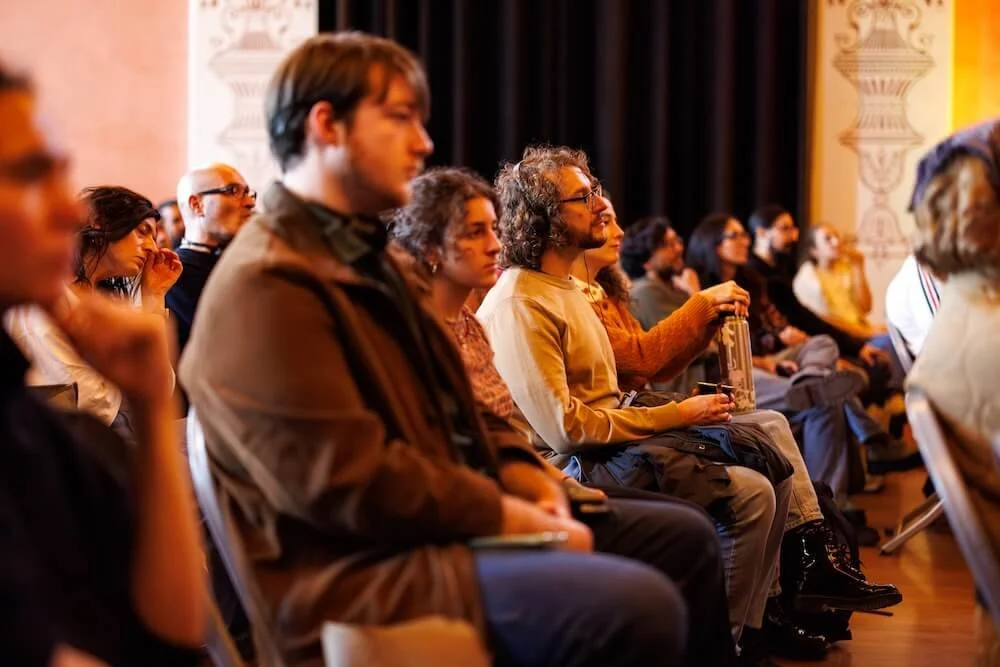
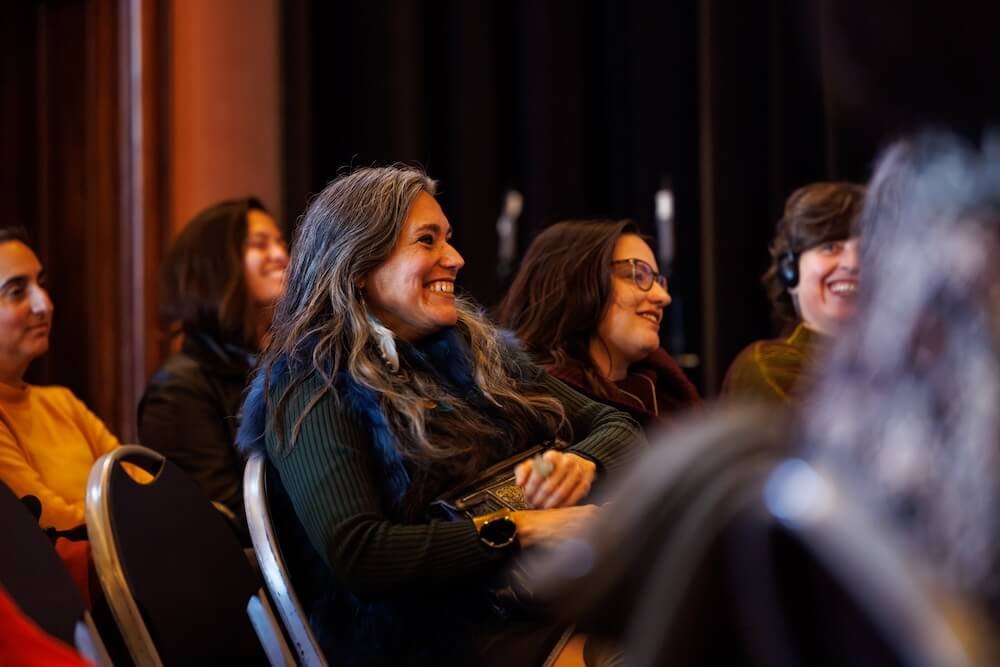
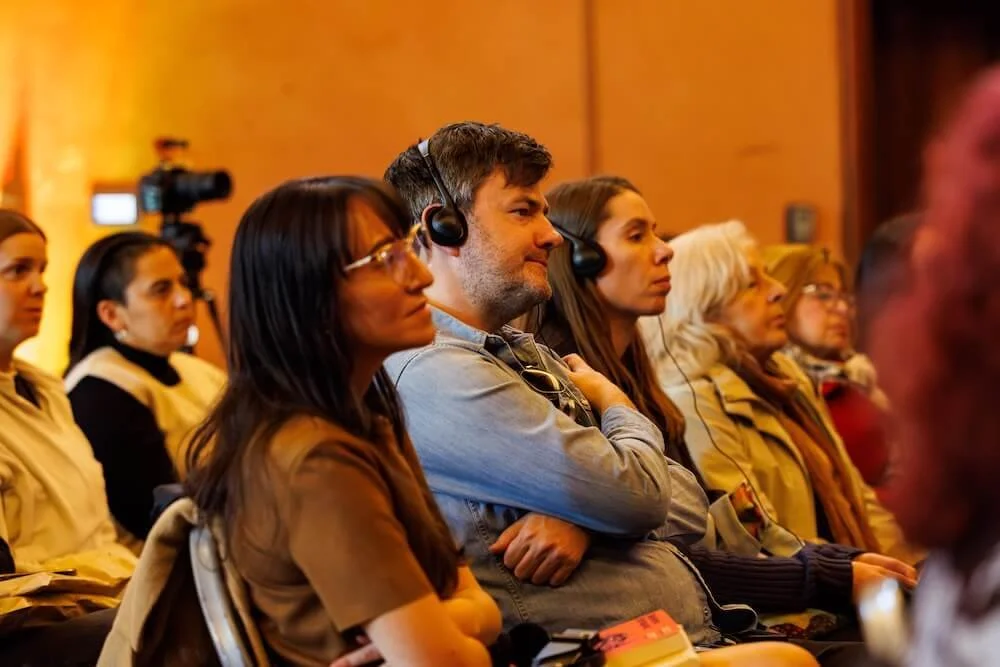
Perhaps one of the strongest things about the afternoon was the audience itself. 120 people chose to spend their Saturday with us talking about books and language. Some spoke Spanish as their first language. For others it was a heritage language, a language they were learning, or simply a language and literature they loved. Others experienced the conversations primarily through interpretation.
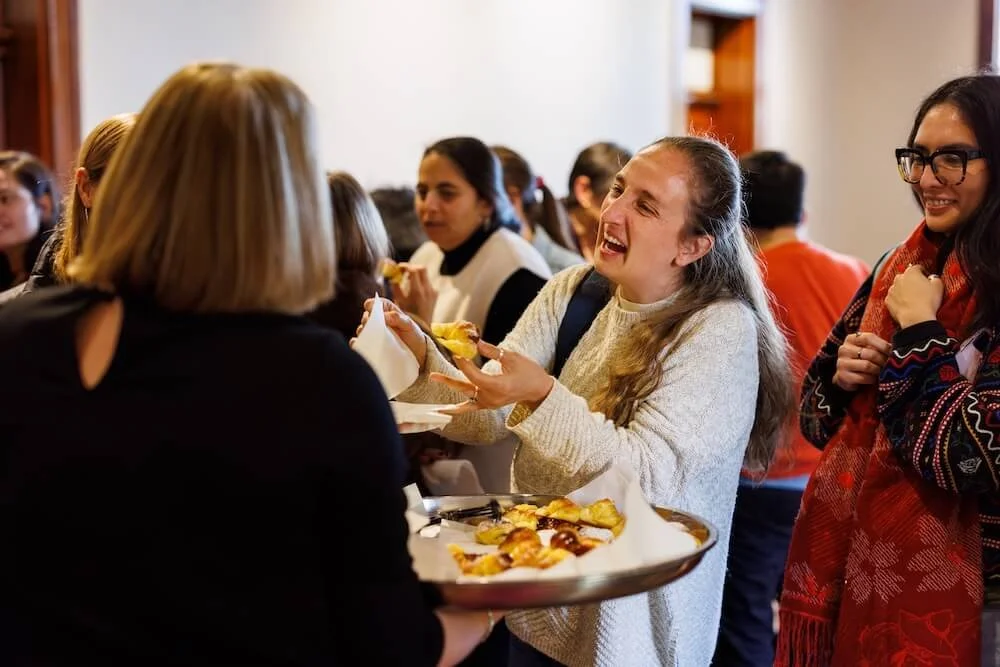
People stayed. They listened. They asked questions. They bought books. They shared food and conversations in the spaces between sessions. That matters to us greatly.
We want to explore what happens when multilingualism shapes the structure of the cultural experience itself. Who feels included? Who speaks? Who listens differently?
Saturday gave us plenty more to think about.
Where to next?
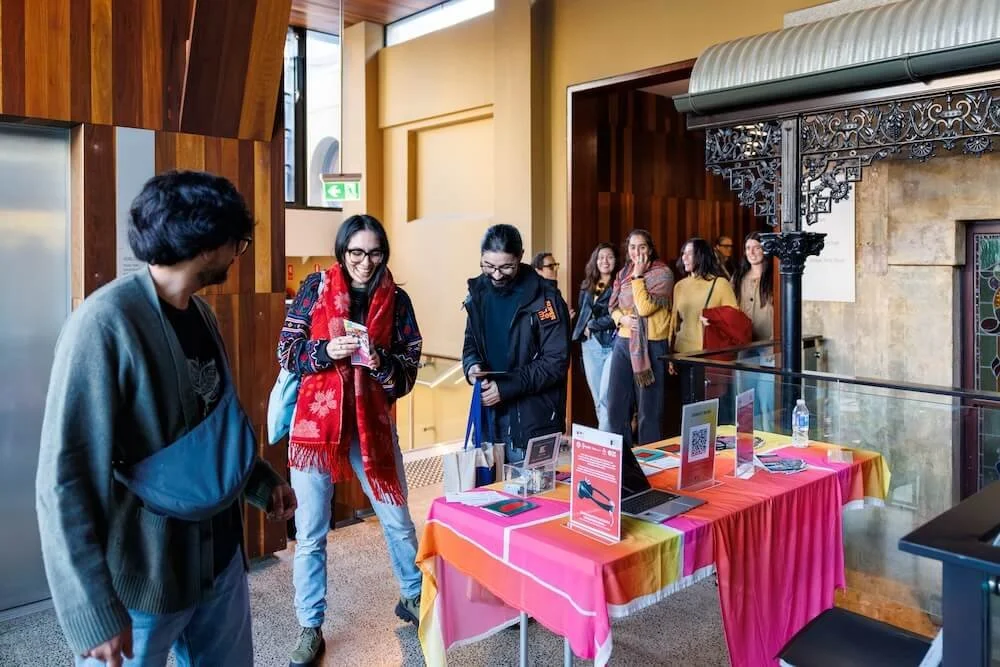
In Other Words is a reignited multilingual literary series of events and programming from Lost In Books, our multilingual bookshop and literary platform, and a social enterprise of Think+DO Tank Foundation.
We believe this Spanish festival has given us something important to build on.
We're now asking the people who joined us what they thought: what they loved, what could be different, how the length and structure of the conversations worked, how they discovered the event and, importantly, what they would like to experience next.
Because if we are serious about creating multilingual cultural spaces, the people participating in them should help shape what comes next.
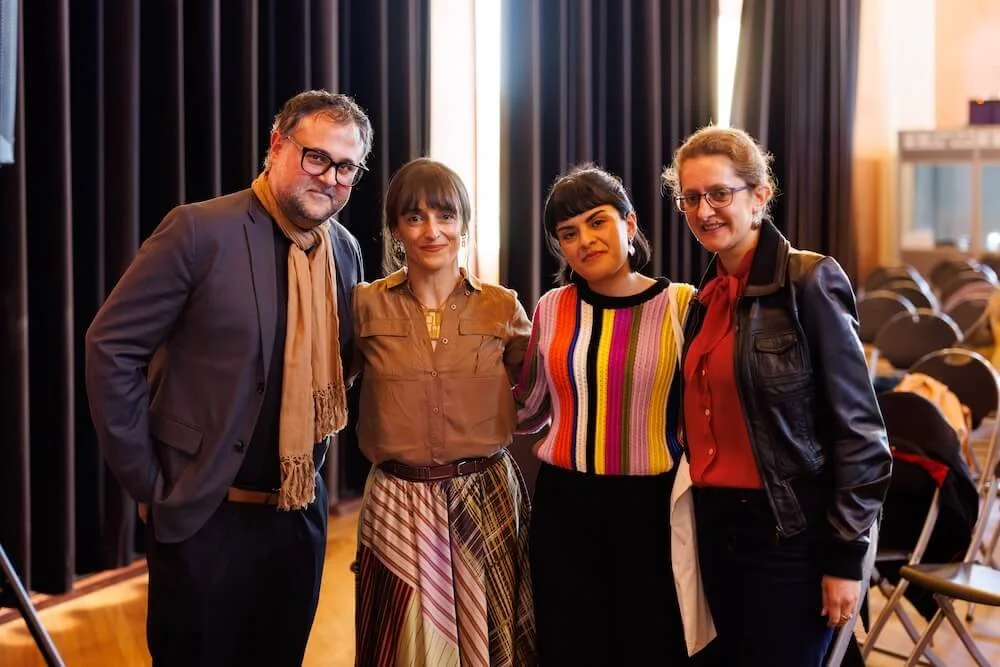
To our writers Mariana Enriquez, Fabricio Tocco, Elizabeth Mora and Rosario Lázaro Igoa; our facilitators Esther Lozano and María Herminia Graterol; our interpreters Silvia Martínez and Cintia Lee; and every person who came into the room and became part of the conversation: thank you.
And thank you to NAATI and Congress Rental Australia, our sponsors; SBS in Spanish, our media partner; and Instituto Cervantes, the City of Sydney and the Embassy of Uruguay in Australia for their support.
For one afternoon, Spanish took centre stage. We'd very much like to see where the conversation goes next.
